The Impact of Digital Literacy on Media Consumption
As we navigate an increasingly digital world, understanding how we consume media is crucial. This article explores the role of digital literacy in shaping our media consumption habits, particularly in Romania, where public interest media plays a vital role in society.
Understanding Digital Literacy
Digital literacy encompasses not just the ability to use everyday technology, but also the understanding of how to navigate digital platforms effectively. According to experts, being digitally literate means having the skills to critically evaluate the information we encounter online, which is crucial in a time when interactive media is pervasive.
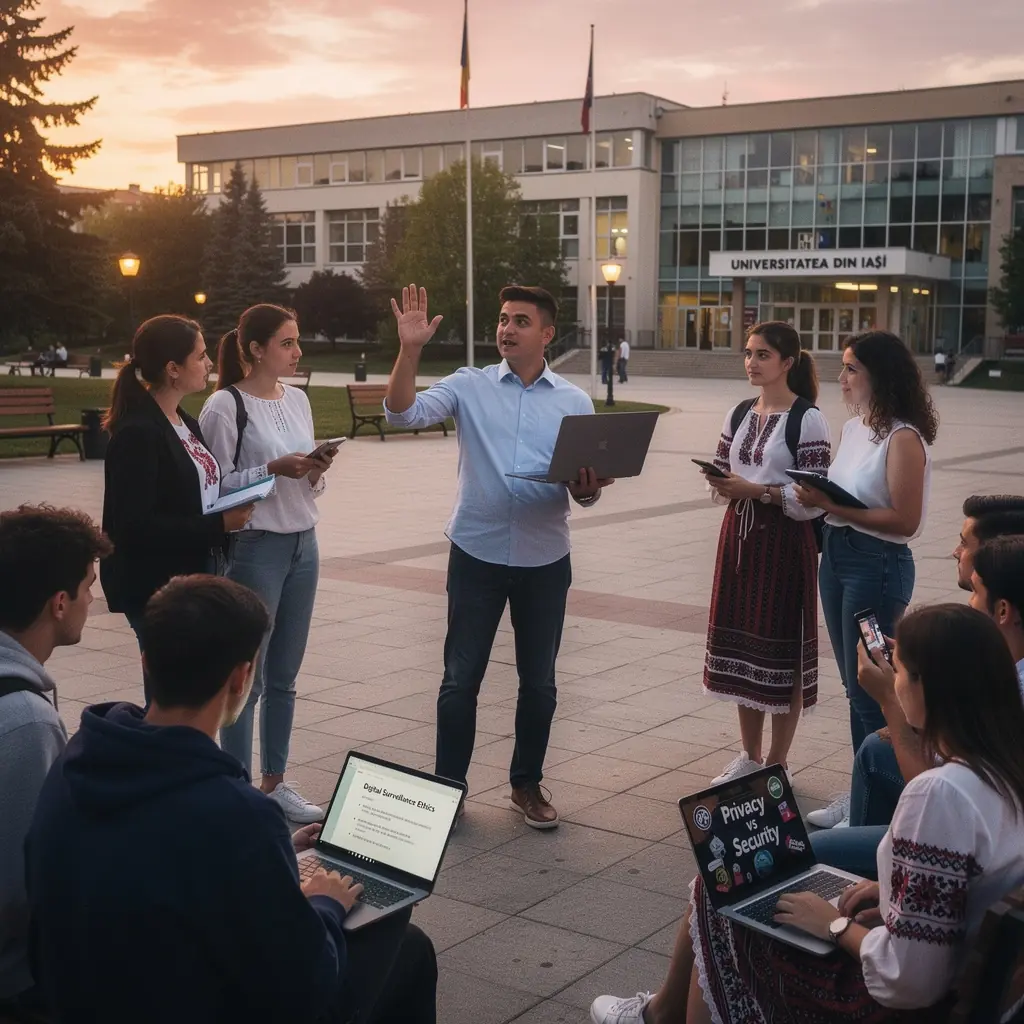
"Digital literacy is essential for engaging thoughtfully with media and understanding its impact on society."
How Digital Literacy Influences Media Consumption
Research indicates that individuals with higher levels of digital literacy tend to engage more meaningfully with content. They are better equipped to identify credible sources and analyze the information presented to them. This involves:
- Critical Evaluation: Users can discern fact from opinion, leading to informed consumption habits.
- Engagement with Public Interest Media: More literate individuals often seek out resources that align with the public good, contributing to a healthier media landscape.
- Effective Use of Digital Tools: Familiarity with user-friendly digital tools facilitates better communication and interaction, further enhancing media engagement.
Barriers to Digital Literacy
Despite the benefits, many individuals face challenges that hinder their digital literacy. Common barriers include:
- Lack of Access: Limited availability of technology can restrict learning opportunities.
- Educational Gaps: Inadequate training programs may leave users unprepared to navigate digital spaces effectively.
- Information Overload: The vast amount of information can lead to confusion and misinterpretation.
Empowering Users Through Media Education
To combat these barriers, initiatives focusing on media education are vital. Programs that provide accessible technology explanations and practical tech tutorials can enhance digital literacy among various demographics. By doing so, individuals can:
- Improve their understanding of media technology insights.
- Engage more effectively with public media resources.
- Utilize digital tools for communication to foster social interactions.
Conclusion
In summary, enhancing digital literacy is crucial for improving media consumption habits. As individuals become more aware of the technology they use and the media they consume, they can contribute to a more informed society. Sustainable media education initiatives are essential for fostering a culture of technology awareness and empowering users to engage with media responsibly.