Media Education: Building Critical Consumption Skills
In a world saturated with information, media education has become essential for fostering critical consumption skills. This article explores effective strategies for understanding digital platforms and developing media literacy, particularly in the context of Romania.
Understanding the Importance of Media Literacy
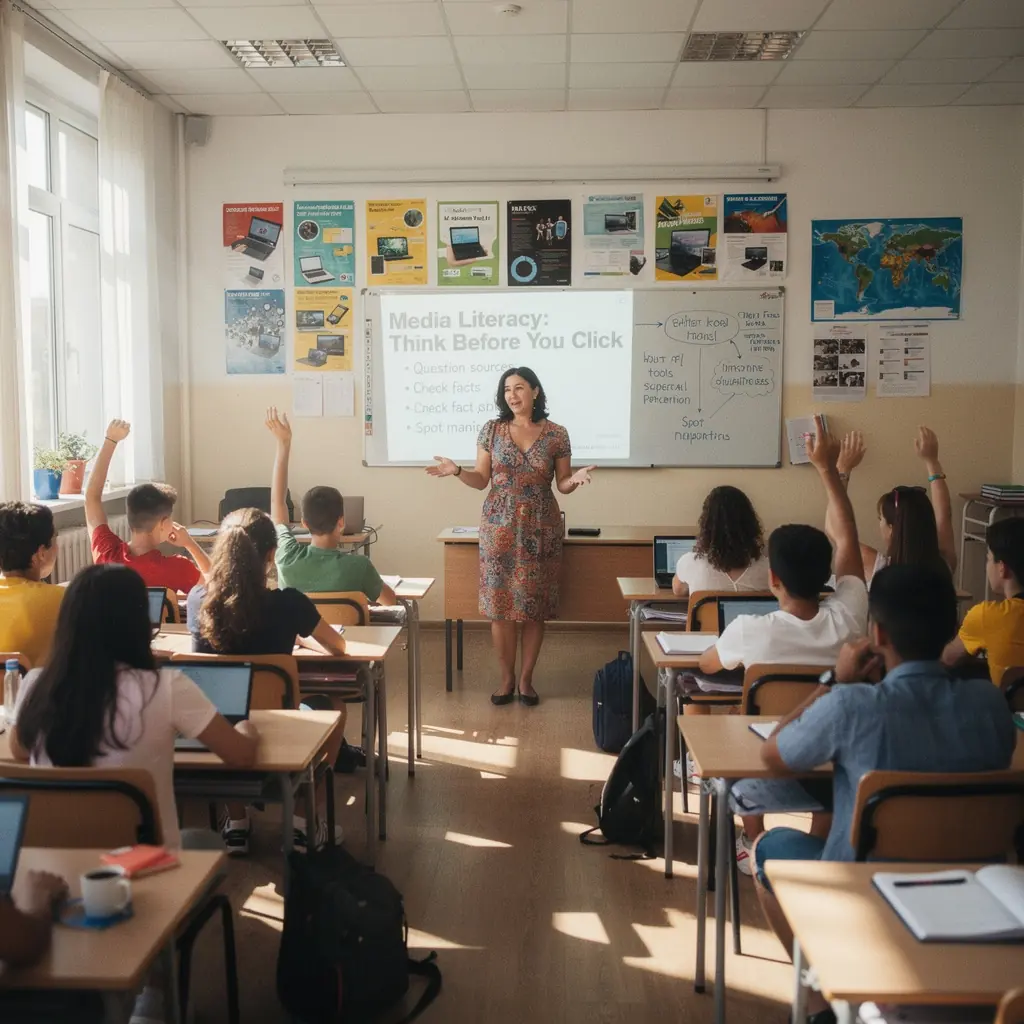
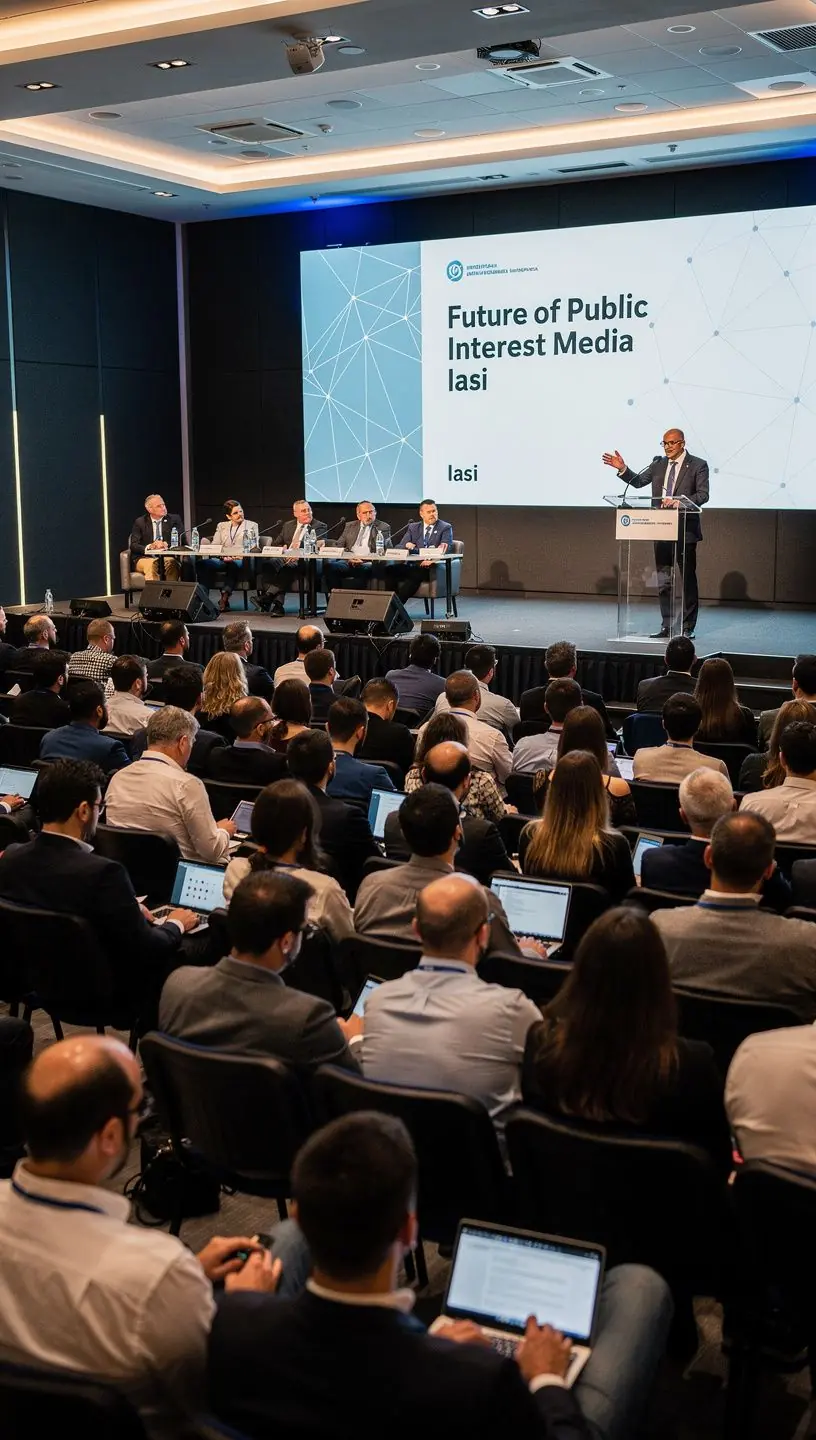
Media literacy refers to the ability to access, analyze, evaluate, and create media in various forms. According to experts, enhancing media literacy is crucial for navigating the complexities of today's digital landscape, where misinformation can spread rapidly. In Romania, where internet usage continues to rise, equipping individuals with the skills to discern credible information is vital.
"Research indicates that media literacy can empower individuals to make informed decisions, fostering a more engaged and discerning public."
Key Components of Critical Consumption Skills
Building critical consumption skills involves several fundamental components:
- Accessing Information: Users should know how to find reliable information online. Utilizing reputable sources and databases is essential.
- Analyzing Content: This involves questioning the intent behind media messages. Users should consider who produced the content and for what purpose.
- Evaluating Credibility: Experts recommend assessing the reliability of sources. Look for author credentials, publication history, and evidence of bias.
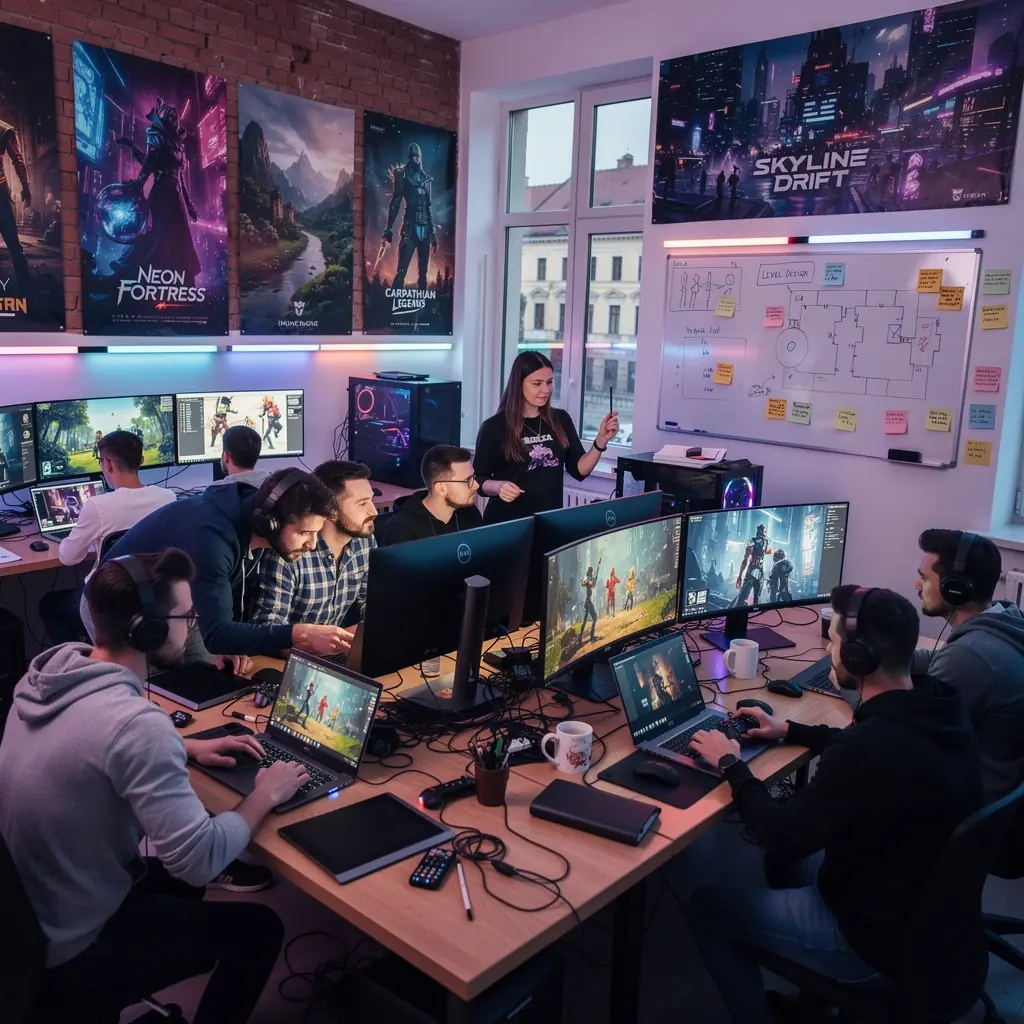
- Creating Media: Engaging in content creation allows individuals to understand the media production process better, enhancing critical thinking.
Strategies for Enhancing Media Literacy
Incorporating practical strategies can significantly improve media literacy among everyday users:
- Workshops and Educational Programs: Organizations can host workshops focusing on media literacy. These programs typically take several weeks and involve hands-on activities to reinforce learning.
- Online Resources: There are numerous accessible media resources available online. Websites like Common Sense Media offer guides on evaluating digital content.
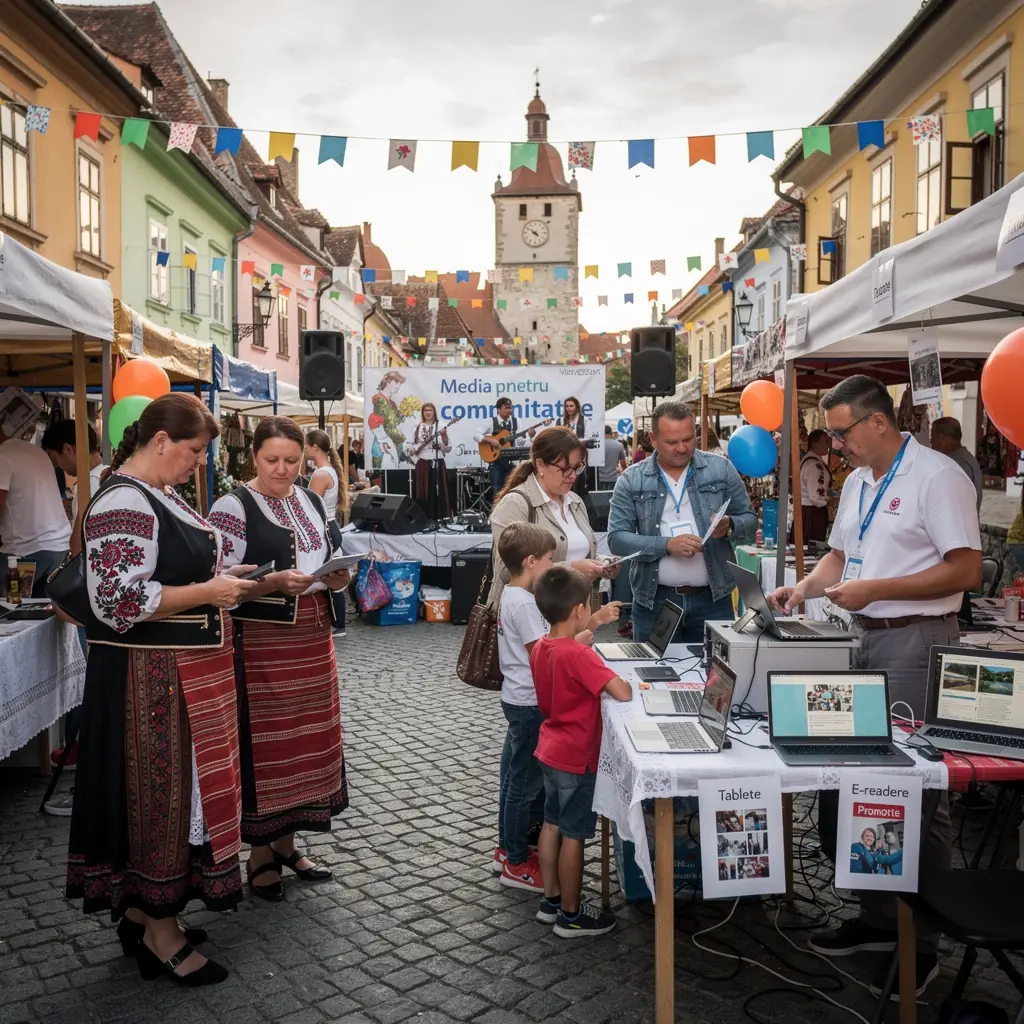
- Community Engagement: Encouraging discussions about media consumption habits within communities can foster collective awareness and critical thinking.
Real-World Applications of Media Literacy
Practically, media literacy can improve decision-making in various aspects of life:
- Shopping Decisions: Many consumers report feeling more confident in their choices when they can critically assess marketing messages and product claims.
- Social Media Interactions: Understanding the dynamics of social media platforms helps users interact more consciously, reducing the risk of spreading misinformation.
- Political Awareness: Informed citizens are better equipped to engage in political discourse and make educated voting decisions.
Conclusion
In conclusion, building critical consumption skills is essential for navigating today’s media landscape. By understanding digital platforms and employing practical strategies, individuals can enhance their media literacy and become informed consumers. As Romania continues to embrace digital technology, fostering these skills will promote a more informed society capable of engaging with media thoughtfully and critically.
Learn More